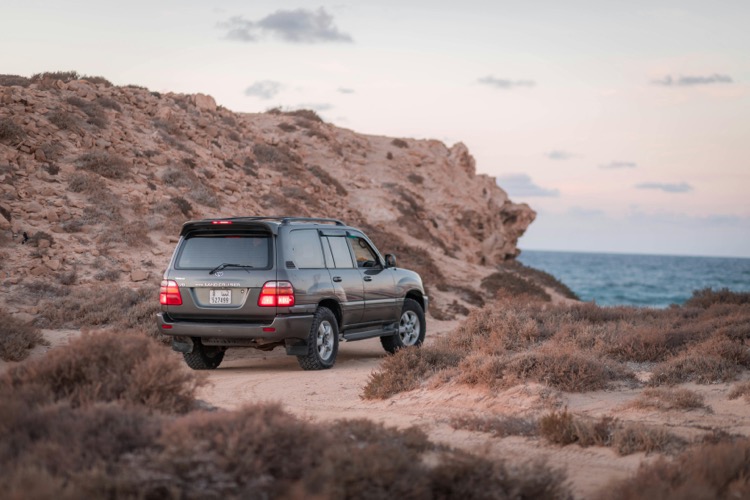
The 100 Series Land Cruiser: Over-Engineered for a Lifetime
There’s a reason you still see 100 series Land Cruisers and LX470s everywhere — from suburban driveways to the Australian Outback to war zones in the Middle East. Toyota built these trucks to last 25 years under the worst conditions imaginable. And they actually do.
Built Different
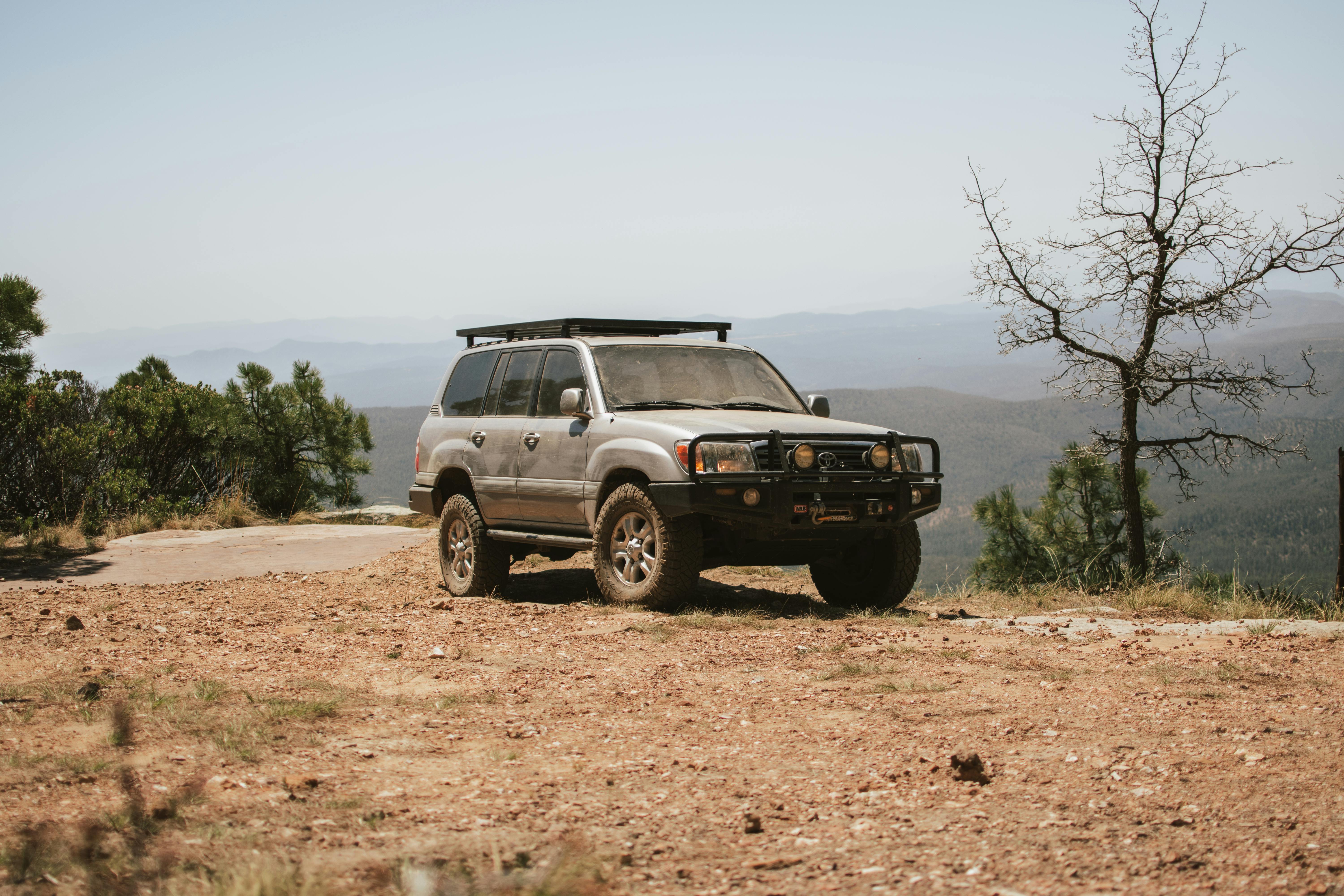
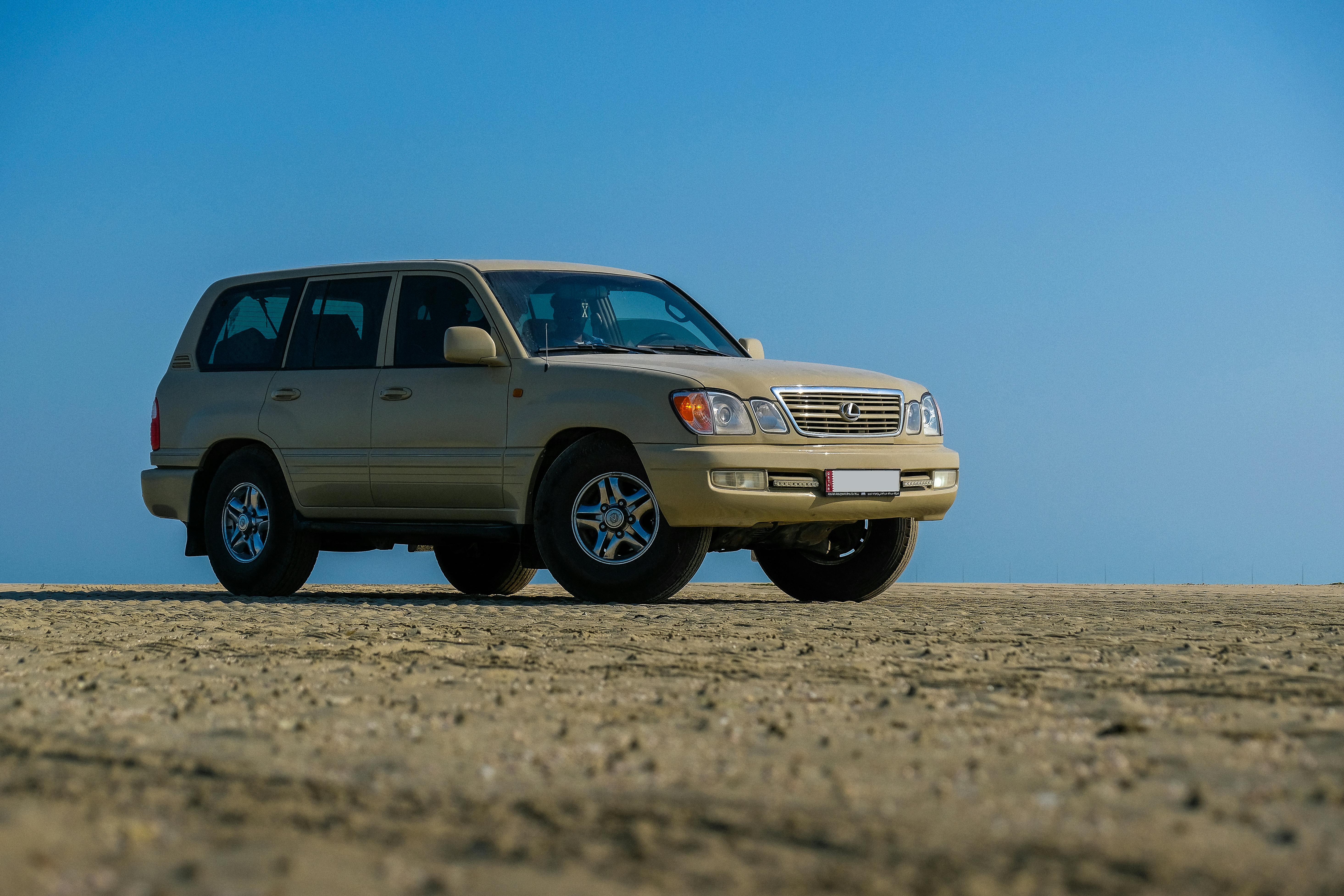
The 100 series (1998-2007) represents the peak of Toyota’s “no compromises” philosophy before cost-cutting and fuel economy regulations watered things down. These weren’t built to a price point. They were built to a standard: survive anything, anywhere, for decades.
The numbers tell the story:
- Curb weight: 5,590 lbs (LX470) — about 1,000 lbs heavier than comparable SUVs
- Frame: Fully boxed steel, thicker than most pickups
- Suspension: Solid front axle (early models) or independent with massive control arms
- Drivetrain: Full-time 4WD with a locking center differential and low range
This isn’t a unibody crossover pretending to be tough. It’s a body-on-frame tank that happens to have leather seats.
The 2UZ-FE: The Unstoppable V8
At the heart of every 100 series is the 2UZ-FE — a 4.7L V8 that’s somehow boring and legendary at the same time.
The specs aren’t impressive:
- 230 hp (later bumped to 235 hp)
- 320 lb-ft of torque
- 0-60 mph in about 9 seconds (optimistic)
But the engineering is:
- Forged internals: Crankshaft, connecting rods, and pistons built for commercial truck duty
- Timing belt: Yes, a belt (not a chain), but it’s easy to replace and lasts 90k+ miles
- VVT-i: Variable valve timing for better low-end torque and efficiency
- Coil-on-plug ignition: No distributor to fail
This engine doesn’t make big power. It makes forever power. There are 2UZ engines with 500,000+ miles still running on original internals. No rebuild. No bottom-end work. Just oil changes and timing belts.
Why It Lasts
The 2UZ-FE is understressed. Toyota designed it to handle 400+ hp worth of abuse, then detuned it to 230 hp for longevity. The result:
- Low piston speed: The engine barely works at highway speeds
- Conservative tuning: Peak torque at 3,400 RPM means it’s not revving hard
- Oil capacity: 6.6 quarts with a huge filter — plenty of thermal capacity
- Simple design: Pushrod would’ve been simpler, but DOHC with hydraulic lifters is close
It’s the opposite of modern turbocharged engines pushing maximum output from minimum displacement. The 2UZ is maximum displacement making minimum effort.
Simplicity = Reliability
The 100 series doesn’t have:
- Cylinder deactivation
- Direct injection (with its carbon buildup problems)
- Turbochargers
- Complex hybrid systems
- 47 different drive modes
It has:
- A V8 that starts every time
- A 4-speed automatic that just works (5-speed in later LX470s)
- Mechanical 4WD engagement
- Hydraulic power steering (no electronic failures)
There’s less to break because there’s less there. And what is there was designed for commercial use in places where “just order the part from the dealer” isn’t an option.
Built to Be Fixed
Modern vehicles are disposable. The 100 series was designed to be rebuilt.
Common wear items are easy:
- Timing belt: Engine bay has room to work. DIY-able in a weekend.
- Ball joints: Greasable. Replaceable without special tools.
- Wheel bearings: Bolt-in units, not pressed.
- Brake calipers: Standard parts, nothing exotic.
Even major repairs are straightforward:
- Need to pull the engine? Frame has lift points and clearance.
- Transmission service? Drain plug and pan are accessible.
- Differential rebuild? Standard gear sizes and bearings.
Compare that to modern SUVs where replacing headlight bulbs requires removing the front bumper.
The Longevity Tax
All this over-engineering comes with trade-offs:
Fuel Economy: 13-15 MPG combined. This thing drinks gas like it’s 1975.
Acceleration: Slow. Not “merging is scary” slow, but “passing trucks on hills requires planning” slow.
Handling: It’s a truck. A very heavy truck. Don’t expect to carve canyons.
Price: Clean examples now cost more than when they were new. A 2007 LX470 with 200k miles can fetch $25k-35k+. Low-mileage examples? $40k+.
Who Should Buy One
The 100 series makes sense if you:
- Need a vehicle for 20+ years: Buy it once, maintain it properly, drive it forever.
- Value simplicity: No touchscreens. No subscriptions. No software updates.
- Actually use 4WD: The full-time system and locking diffs are serious off-road tools.
- Do your own work: Parts are cheap. Labor is simple. DIY-friendly.
It doesn’t make sense if you:
- Care about fuel economy: Buy a Prius. Seriously.
- Want modern tech: The newest 100 series is from 2007. The infotainment is a CD changer.
- Need speed: There are faster ways to go broke.
The Verdict
The 100 series Land Cruiser and LX470 represent a philosophy that no longer exists in the auto industry: build it once, build it right, build it to last.
Toyota lost money on every Land Cruiser they sold. They built them anyway because that’s what the nameplate demanded. The 200 series that replaced it is excellent. The 300 series is impressive. But neither quite captures the “engineered for the apocalypse” feel of the 100.
If you want a vehicle that’ll outlast your mortgage, shrug off neglect, and still start in 2050, find a well-maintained 100 series. Pay the premium. Do the timing belt. Change the fluids.
Then drive it until the roads crumble.
Common Issues (And How to Fix Them)
Even legends have flaws. Here’s what to watch for:
Timing Belt (Every 90k Miles)
Not if. When. Replace the timing belt, water pump, and tensioners every 90k. This is a $1,500-2,000 job at a shop, or $500 DIY. Skip it and you’ll grenade the engine.
Lower Ball Joints
The LX470 and later Land Cruisers had lower ball joints that wear prematurely. Grease them regularly. Replace when needed (~100k miles). Aftermarket units are better than OEM.
AHC (Active Height Control) Failures
If equipped with AHC (hydraulic suspension), it will eventually leak. Fix costs $3k-5k. Many owners convert to coilovers instead (~$2k).
Exhaust Manifold Cracks
The 2UZ manifolds can crack. You’ll hear a ticking noise. Aftermarket headers fix it permanently.
Rust (Regional)
If you’re in the rust belt, check the frame. These trucks are tough, but steel still rusts. Fluid film or undercoating helps.
Maintenance Schedule
Keep it simple:
- Every 5k miles: Oil change (0W-20 or 5W-30), tire rotation
- Every 30k miles: Transmission fluid, diffs, transfer case
- Every 60k miles: Coolant, brake fluid
- Every 90k miles: Timing belt, water pump, serpentine belt, all tensioners
Do this and the truck will outlive you.